

One sneeze is the expulsion of air outside the body, through the respiratory tract, which occurs at the time of the deadline. It is a mechanism of defense of the body to expel strange substances. The reverse sneezing (or inhabitant paroxysmal respiration) works precisely on the contrary, in which the air is attracted to the nasal cavity. He has exactly the same goal as a «normal» sneezing.
The reverse pipeline can be frightening for the tutors who have never witnessed it. Since the air is quickly pulled inwards, there is noisy noise and it seems that the animal is short. The causes of the reverse sneeze can be varied between inhalation of irritating products, variations in temperature, accumulation of secretions, foreign bodies, tumors, allergies. It is more common in Brachicéfali breeds, but can occur in all breeds and centuries. The cat is rare.
Clinical signs of reverse sneezing
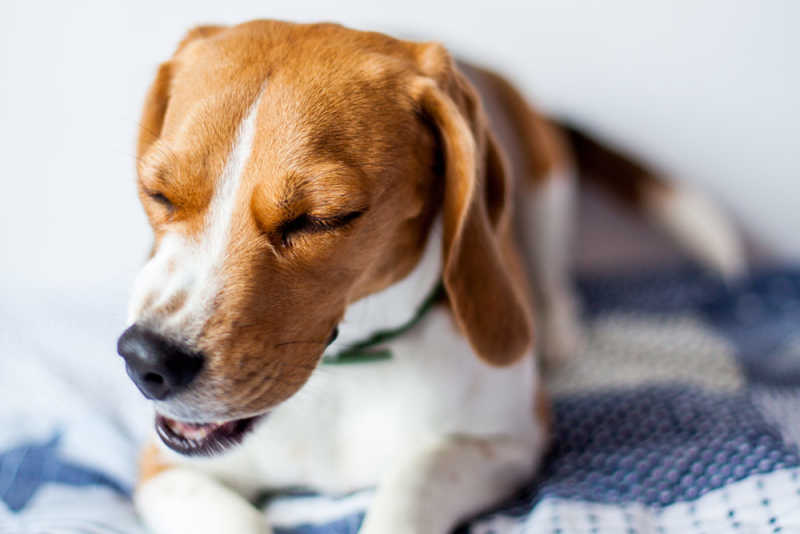
A sneeze is a sudden, forceful expulsion of air from the lungs through the nose and mouth. It is a natural defense mechanism that helps the body clear out irritants such as dust, pollen, or other foreign particles from the respiratory tract. When these particles enter the nasal passages, the body reacts by triggering a sneeze to forcibly remove them and protect the airways.
In contrast, reverse sneezing—also called paroxysmal inspiratory respiration—is quite different in how it occurs, but serves a similar protective purpose. Instead of expelling air outward like a normal sneeze, reverse sneezing involves a rapid, repeated inhalation of air through the nose. During this episode, the animal makes a distinctive snorting or honking sound as it quickly pulls air inward.
Reverse sneezing happens when the soft tissues in the throat or nasal passages become irritated or inflamed, causing a spasm that narrows the airway and triggers these intense inhalations. Common triggers include allergies, excitement, pulling on the leash, sudden environmental irritants like smoke or strong odors, or even nasal mites or infections.
Despite how alarming reverse sneezing can seem to pet owners, it is usually harmless and tends to resolve on its own within seconds to a minute. It is a reflex that helps clear the nasal passages of irritants or mucus by drawing air forcefully inward.
If your pet frequently experiences reverse sneezing or if episodes become prolonged, more intense, or are accompanied by other symptoms such as nasal discharge, coughing, or difficulty breathing, it’s important to consult a veterinarian. They can rule out underlying conditions like infections, foreign bodies in the nose, or respiratory diseases that might require treatment.
Understanding both sneezing and reverse sneezing can help you better monitor your pet’s respiratory health and respond appropriately if you notice unusual or persistent symptoms.
In addition to the animal, it begins to attract too strong and therefore produce a strange and strong noise, other signs can be detected:
- Wide from the eyes;
- Previous members away;
- The animal remains totally normal after the end of the sneezing.
The crisis can take a few seconds or 2 minutes. The affected animal can show a life clinical signs, but diseases rarely progress.
Conclusion
Sneezing is a natural reflex that helps protect the respiratory system by expelling foreign substances from the body. It involves the forceful expulsion of air through the nose and mouth, removing irritants such as dust, pollen, or other particles that may threaten the airways. This mechanism serves as a first line of defense, helping to maintain clear nasal passages and protect the respiratory tract from potential harm.
Reverse sneezing, also known as paroxysmal respiration, operates in the opposite direction. Instead of expelling air, the animal rapidly inhales, drawing air into the nasal cavity. Despite this difference in airflow, the purpose of reverse sneezing mirrors that of a normal sneeze: to eliminate irritants and clear the nasal passages. While it may appear alarming to pet owners, reverse sneezing is generally harmless and is a common occurrence, especially in dogs and some cats.
The triggers for reverse sneezing can vary and often include excitement, sudden changes in temperature, inhalation of dust or strong odors, or even minor irritations in the throat or nasal passages. During an episode, pets may extend their necks, make rapid snorting or honking sounds, and appear momentarily distressed. Understanding that reverse sneezing is a protective reflex rather than a disease helps owners respond calmly and provide reassurance to their pets.
In conclusion, both sneezing and reverse sneezing are important defense mechanisms of the respiratory system. They function to remove irritants, maintain clear airways, and protect overall respiratory health. While sneezing expels air outward, reverse sneezing draws air inward, yet both achieve the same goal of safeguarding the pet’s nasal passages and respiratory tract. Observing these reflexes, recognizing triggers, and ensuring pets are in a safe environment during episodes allow owners to support their animals’ health while remaining calm and informed about these natural protective behaviors.
Ultimas Entradas Publicadas

Panosteitis in dogs – veterinarians on wheels

Extension in dogs and cats

The arrival of a dog | Have you returned home, and now?

Ectopio and canine entropio

How to know if my dog is healthy?

How to choose the best sand for my cat?

Raw light in animals | What is a rupture of the crossed width in animals?

Tips to brush the hair of the dog or cat | Suitable tools for each type of hair

Cutting nails in dogs and cats
